Superintelligent AI Assistants Open a New Creative Era for Work and Culture
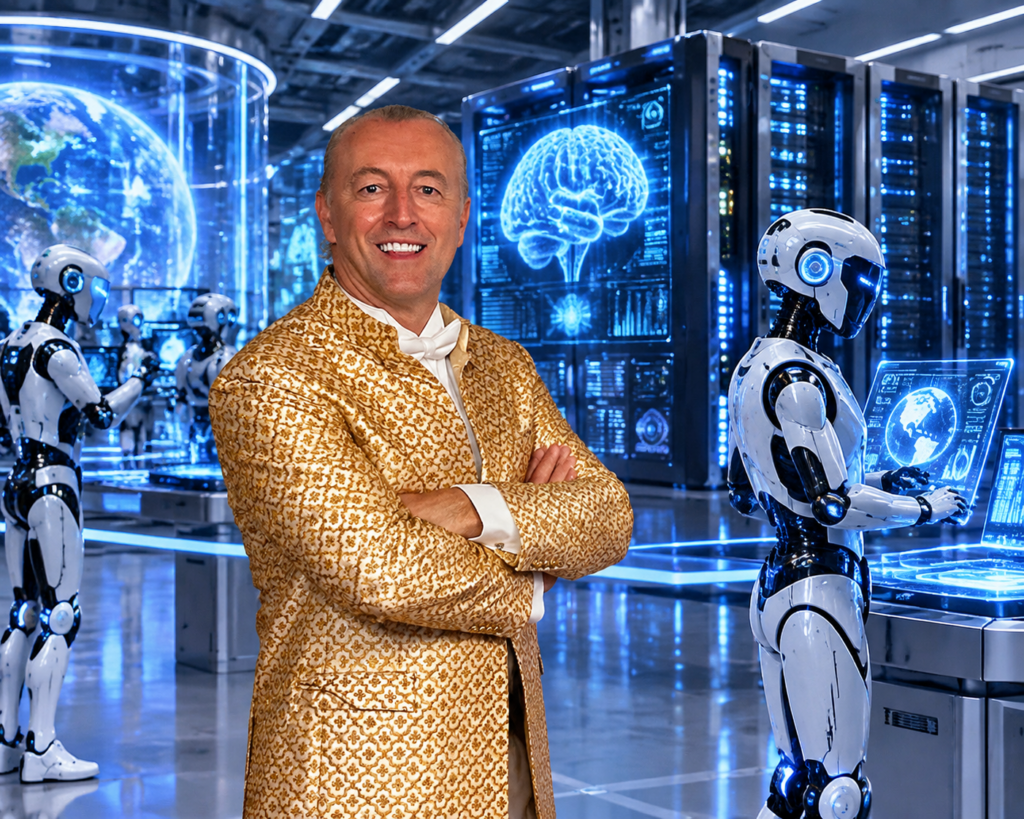
A quiet shift in how people work with computers has turned into something much bigger. In an opinion essay for Bravo, Muse & Co., Prince Mario-Max Schaumburg-Lippe welcomes a new chapter in artificial intelligence, one in which a fresh generation of AI assistants moves well past answering questions and handling simple tasks. These systems now sit alongside their users as collaborators, helping with research, writing, planning, creative exploration and complex decision-making, and that change, he argues, opens real possibilities for creativity, communication, culture and everyday life.
A Story by Award Winning Managing Editor His Highness Dr. Prince Mario-Max zu Schaumburg-Lippe.
Part of the appeal is how ordinary the whole thing feels. Abilities that once demanded specialist technical knowledge can now be reached through plain conversation. A person can describe an ambition, lay out a challenge or float a creative concept, and get useful help in shaping it. You do not need to learn a new machine language to begin. You talk, you think out loud, and the assistant works through the material with you.
That ease of access matters most in the creative industries. Editorial teams can test story concepts before committing pages to them. Designers can refine a presentation until the argument lands cleanly. Hospitality professionals can think through guest experiences in finer detail, and independent creators can organise ambitious projects with far greater efficiency than a small team once could. The essay treats this as a cultural moment as much as a technical one, because intelligence, creativity and innovation are now pulling in the same direction.
There is a note of honesty built into the celebration. The word superintelligent, the essay makes clear, is an aspirational description, not an established scientific classification for the assistants available today. Current systems are impressive across many intellectual tasks, and they still run into clear limits around accuracy, reasoning, reliability and independent judgment. Naming those limits does not weaken the case for the technology. It makes the case more credible, and it keeps human expectations where they belong.
The strongest opportunities, in this reading, appear when technology supports distinctly human imagination instead of trying to replace it. Take a magazine editor developing a new publication. An intelligent assistant can help explore editorial themes, organise research, refine language and weigh different approaches to storytelling. The editor still decides what the magazine stands for. The same pattern holds in architecture, fashion, entertainment, luxury hospitality and contemporary design. In each field, AI can speed up the preliminary work while people keep responsibility for aesthetic decisions, originality and final execution.
Luxury culture gets a particular mention, and for good reason. In a world built on attention to detail and thoughtful presentation, intelligent assistance offers practical help. It can organise complex information, improve communication and support highly personalised experiences for guests and clients. Personalisation is becoming a central part of the story. As systems learn to work better with authorised information and individual preferences, they may help people manage recurring responsibilities and stay with long-term interests over months and years.
That promise comes with conditions, and the essay states them plainly. Personalisation needs firm boundaries around privacy, security, transparency and human oversight. Without those boundaries, a helpful assistant becomes something else entirely. With them, the technology can stay in its proper place, as a tool that serves the person using it.
Another change is the move beyond written conversation alone. Multimodal systems can now interpret combinations of text, images, audio and other forms of information, which makes interaction feel more natural across different situations. Creative directors can explore imagery, writers can develop editorial material, and business leaders can examine the same information in several complementary formats before deciding. For publishing, the effect is a workflow that holds together better. Research, drafting, revision, translation and presentation become connected parts of one process, so smaller creative teams can attempt projects that once needed far more administrative support. Editorial judgment, credible reporting, cultural understanding and artistic direction remain fundamental, and no assistant changes that.
Approachability may decide which assistants people actually keep using. The most successful ones, the essay argues, will communicate clearly, respect individual preferences, recognise uncertainty and support people without complicating their lives. For readers drawn to luxury, culture and innovation, that emphasis on thoughtful experience matters. Sophistication only counts when it turns into practical usefulness, intuitive interaction and results people can depend on.
The old dream of a personal intelligent assistant is also becoming real in pieces. An assistant can structure an ambitious project, explain an unfamiliar subject, develop written material and organise competing priorities. A single conversational interface can help across different areas of work, cutting the need to jump between disconnected processes. For people juggling varied interests and responsibilities, that continuity is the real attraction.
Trust will settle how far this goes. Systems have to communicate their limitations, protect sensitive information and make clear when human verification is necessary. Questions about intellectual property, information quality, employment, privacy and accountability will stay central as adoption widens. The essay closes on firm ground: the best outcomes will combine technical capability with responsible design, cultural awareness and genuine human creativity. That combination, more than any single product launch, is what makes this new era worth welcoming.
Originally published on Times Square Chronicles.
KI-SENSATION! DIE NEUEN SUPER-ASSISTENTEN EROBERN REDAKTIONEN, ATELIERS UND LUXUSHOTELS
Jetzt wird es richtig spannend! Prinz Mario-Max Schaumburg-Lippe begruesst in einem Meinungsbeitrag fuer Bravo, Muse & Co. ein neues Kapitel der Kuenstlichen Intelligenz – und was fuer eins! Die neue Generation der KI-Assistenten beantwortet nicht mehr nur Fragen und erledigt kleine Aufgaben. Sie arbeitet Seite an Seite mit den Menschen: bei Recherche, Schreiben, Planung, kreativen Ideen und schwierigen Entscheidungen.
Das Beste daran: Man muss kein Technik-Profi sein! Faehigkeiten, fuer die frueher Spezialwissen noetig war, gibt es heute im ganz normalen Gespraech. Ein Ziel beschreiben, ein Problem erklaeren, eine kreative Idee vorstellen – und schon hilft der Assistent dabei, daraus etwas Grosses zu machen.
Besonders die Kreativbranchen profitieren. Redaktionen testen Story-Ideen, Designer verfeinern Praesentationen, Hotelfachleute verbessern das Gaesteerlebnis, und unabhaengige Kreative organisieren ehrgeizige Projekte viel effizienter als frueher. Fuer Prinz Mario-Max ist das ein kultureller Moment: Intelligenz, Kreativitaet und Innovation ziehen jetzt an einem Strang.
Aber Vorsicht, ehrlich bleibt der Beitrag trotzdem! Das Wort superintelligent ist ein Ziel, keine feststehende wissenschaftliche Einstufung fuer die heutigen Systeme. Die Assistenten sind stark bei vielen geistigen Aufgaben, doch bei Genauigkeit, logischem Denken, Zuverlaessigkeit und eigenstaendigem Urteil gibt es weiter klare Grenzen.
Die groessten Chancen entstehen, wenn Technik die menschliche Fantasie staerkt, statt sie zu ersetzen. Ein Magazin-Herausgeber etwa entwickelt mit einem intelligenten Assistenten Themen, ordnet Recherche, verfeinert Sprache und prueft Erzaehlwege. Die Entscheidung, wofuer das Magazin steht, trifft weiter der Mensch. So laeuft es auch in Architektur, Mode, Unterhaltung, Luxushotellerie und zeitgenoessischem Design: Die KI beschleunigt die Vorarbeit, der Mensch behaelt Aesthetik, Originalitaet und die letzte Ausfuehrung in der Hand.
In der Luxuswelt zaehlt jedes Detail. Intelligente Hilfe ordnet komplexe Informationen, verbessert Kommunikation und unterstuetzt stark personalisierte Erlebnisse. Personalisierung wird immer wichtiger, wenn Systeme besser mit freigegebenen Informationen und persoenlichen Vorlieben arbeiten und Menschen bei wiederkehrenden Aufgaben und langfristigen Interessen begleiten.
Doch ohne Regeln geht es nicht! Datenschutz, Sicherheit, Transparenz und menschliche Aufsicht muessen klare Grenzen setzen. Nur dann bleibt der Assistent das, was er sein soll: ein Werkzeug im Dienst des Menschen.
Jetzt kommt auch der multimediale Durchbruch: Die Systeme verstehen Kombinationen aus Text, Bildern und Ton. Kreativdirektoren pruefen Bildwelten, Autoren entwickeln Material, Unternehmer betrachten Informationen in mehreren Formaten zugleich. Im Verlagswesen wachsen Recherche, Entwurf, Ueberarbeitung, Uebersetzung und Praesentation zu einem verbundenen Arbeitsablauf zusammen. Kleinere Teams schaffen Projekte, fuer die frueher viel mehr Verwaltung noetig war. Redaktionelles Urteil, serioese Berichterstattung, kulturelles Verstaendnis und kuenstlerische Leitung bleiben trotzdem unersetzlich.
Entscheidend wird die Nahbarkeit. Die erfolgreichsten Assistenten sprechen klar, respektieren Vorlieben, geben Unsicherheit offen zu und machen das Leben nicht komplizierter. Technikbegeisterung allein reicht nicht – zaehlen tun praktischer Nutzen, einfache Bedienung und verlaessliche Ergebnisse.
Der alte Traum vom persoenlichen intelligenten Assistenten wird Stueck fuer Stueck Wirklichkeit. Ein Assistent strukturiert Projekte, erklaert fremde Themen, entwickelt Texte und ordnet Prioritaeten – ueber eine einzige Gespraechsoberflaeche, fuer viele Arbeitsbereiche zugleich. Genau diese Kontinuitaet begeistert Menschen mit vielen Interessen und Aufgaben.
Am Ende entscheidet das Vertrauen! Systeme muessen ihre Grenzen offen nennen, sensible Informationen schuetzen und klar zeigen, wann menschliche Pruefung noetig ist. Fragen zu geistigem Eigentum, Informationsqualitaet, Beschaeftigung, Privatsphaere und Verantwortung bleiben zentral. Das Fazit des Beitrags ist klar: Die besten Ergebnisse entstehen, wenn technische Faehigkeit auf verantwortungsvolles Design, kulturelles Bewusstsein und echte menschliche Kreativitaet trifft.
Der Autor ist Award Winning Hollywood Managing-Journalist Seine Hoheit und Exzellenz Dr.iur. Mag.iur. PRINZ MARIO-MAX ZU SCHAUMBURG-LIPPE, MAS, LL.M.
Prinz Mario-Max ist der Sohn der hochfürstlichen Würdenträger Seine Hoheit Dr. h. c. Prinz Waldemar zu Schaumburg-Lippe und Ihrer Hoheit Dr. Prinzessin Antonia zu Schaumburg-Lippe. Seine Großmutter ist Ihre Königliche Hoheit Prinzessin Feodora von Dänemark. Die Familie ist die königlich-dänische Nachoder Linie der Prinzen zu Schaumburg-Lippe, die Gründerfamilie von Hamburg, Lübeck und Kiel.
♔ Instagram: https://www.instagram.com/princemariomax/
Website: http://www.schaumburglippe.org
Facebook Seite: https://www.facebook.com/share/1EsNi5Q1AM/?mibextid=wwXlfr
Facebook: https://www.facebook.com/zuschaumburglippe
X / Twitter: https://twitter.com/schaumburglippe
LinkedIn: https://www.linkedin.com/in/prince-mario-max-schaumburg-lippe-1879978a
Also published on:
- News Today World – https://newstodayworld.org/entertainment-news/2026/10/28/prince-mario-max-schaumburg-lippe-superintelligent-ai-assistants-open-a-new-creative-era/
- Zeitblatt – https://zeitblatt.com/superintelligent-ai-assistants-open-a-new-creative-era-for-work-and-culture/
- Manhattan Mogul – https://manhattanmogul.com/ai-assistants-move-into-the-executive-suite/
- American Pulse Journal – https://americanpulsejournal.com/america-s-creators-find-a-new-partner-in-ai-assistants/
- American Morning Post – https://americanmorningpost.com/your-morning-brief-on-smarter-ai-assistants/
- Newsy USA – https://newsyusa.com/ai-assistants-move-into-america-s-workplaces-and-trust-is-the-real-test/
- The American Newsroom – https://theamericannewsroom.com/inside-the-newsroom-ai-assistants-join-the-workflow/
- Revista Minutos – https://revistaminutos.com/la-nueva-era-de-los-asistentes-superinteligentes-de-inteligencia-artificial-ya-l/
- Le Miroir Francais – https://lemiroirfrancais.com/les-assistants-d-intelligence-artificielle-deviennent-de-vrais-partenaires-de-cr/