Animal Rescue With Heart and Care: A Prince Speaks Out for Voiceless Animals
There is a simple test for any rescue, Prince Mario-Max Schaumburg-Lippe says, and it has nothing to do with how moving the photograph looks. Did the animal travel safely, get seen by a veterinarian, eat well, rest, and land with people who were properly screened and ready for the long commitment ahead? If the answer is yes, the rescue was done well. If not, it was only done loudly.
A Story by Award Winning Managing Editor His Highness Dr. Prince Mario-Max zu Schaumburg-Lippe.
That view comes from home. Prince Mario-Max grew up around animals, shaped by two parents who treated their care as a duty rather than a hobby. His mother, Princess Antonia, was a veterinarian, a woman whose professional life centered on caring for animals. His father, Prince Waldemar, was an animal activist, remembered in the family for a passionate, practical love of creatures who cannot speak for themselves. Between a veterinarian mother and an activist father, the lesson landed early and it never left. Animals cannot file a complaint, explain pain, choose a new owner or describe what happened to them. Their safety depends entirely on the people around them, and that makes rescue an act of representation. The rescuer becomes the voice, the guardian and sometimes the first gentle presence an animal has known in a long time.
Safe means structured, not rushed
A rescued dog, cat, horse or any other animal often arrives with a history nobody can fully know. The humane response is measured, informed and steady. Safe rescue means transport that protects the animal from fear and injury, with a crate secured properly and a nervous animal given space instead of a crowd. It means real veterinary care, vaccination, good nutrition, rest and careful observation before anyone declares a happy ending. It means decompression time for dogs, quiet rooms and gentle handling for cats, and patient socialization for animals who have learned to be afraid of hands.
It also means honesty about the animal in front of you. Some arrive frightened. Some are undersocialized, medically fragile or elderly. Some need training, some need ongoing appointments and expense, and bonded pairs need to stay together, because separating two animals who rely on each other can undo all the good a rescue just did. A lively young dog may need training and room to burn energy. A shy cat may need quiet above almost everything else. Good rescue work respects those differences instead of treating every animal as ready for every home, and that respect protects the adopter as much as the animal.
No animal is a prop, ever
One line in the Prince’s message deserves to be underlined. No animal is a prop, an accessory or a passing enthusiasm. A gala photograph, a charity mention, a red-carpet conversation or a social post can introduce a rescue organization to people who might otherwise never encounter its work, and that visibility matters. Rescue organizations run on it. But attention is only the start. The best advocacy does more than admire animals from a stage. It brings resources closer to the people saving them, and it keeps showing up after the social moment has passed.
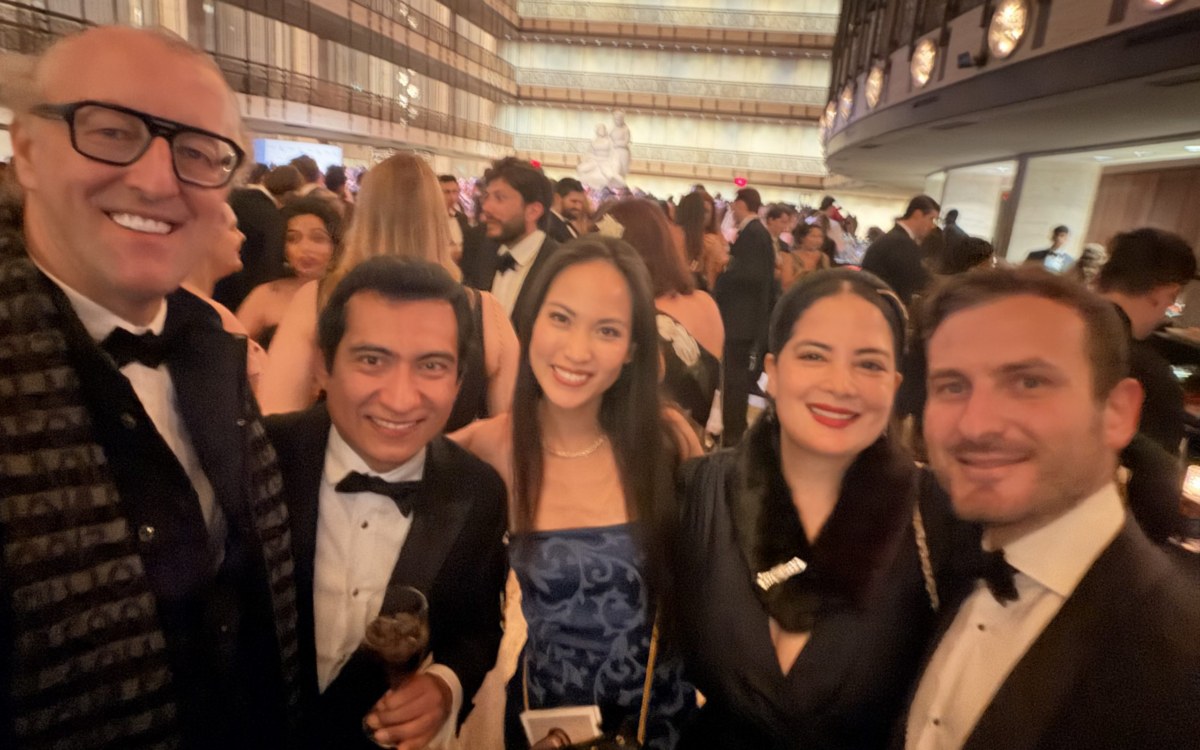
In 2026, Prince Mario-Max wrote in support of NYC Second Chance Rescue, highlighting donations, hands-on compassion and public visibility for rescue animals, in a setting designed to convert attention into help. The phrase second chance carries real weight in this world. It can mean medical treatment after neglect, a foster placement after abandonment, or a permanent home after years of instability. It can mean a senior dog finding comfort, a young cat receiving care, or an injured animal surviving because a volunteer chose to intervene on an ordinary Tuesday.
The quiet chain of care behind every rescue
Behind every successful rescue story sits an operational chain, and its beauty lies in the chain holding firm. A crate is secured properly. A veterinarian checks a wound that looked minor but was not. A foster family receives clear instructions and follows them. A donor pays for treatment. A volunteer drives across county lines. A patient adopter waits, sometimes for weeks, for trust to form. Volunteers, veterinarians, trainers, foster families and donors do this quiet work without applause, and it is expensive, emotionally demanding and absolutely essential.
That is also why adoption has to be framed as what it really is, a long commitment rather than a happy moment. The happy ending is not the day an animal is taken home. It is the long period after, when the animal becomes secure, healthy and understood, and when the adopter keeps learning the animal’s needs instead of forcing the animal into a convenient picture of companionship. Screened fosters and adopters, honest assessments, follow-up and lifelong support where possible are not bureaucracy. They are the difference between a rescue that removes an animal from danger and a rescue that guides that animal into a safe, appropriate, lasting future.
Prince Mario-Max puts it plainly in his own way. Animals deserve protection before they are admired, safety before spectacle, and commitment before celebration. Safe rescues begin with love, but they are completed through care. Every person with access, influence or resources can hold one link of the chain, by funding medical treatment, sponsoring an adoption fee, underwriting transport, donating supplies, hosting an event, fostering, volunteering or opening a home. Rescue is never finished by one person. It succeeds through networks of care, and every safe rescue becomes a quiet act of dignity, proof that care, when it is organized with purpose, can change a life.
Originally published on Times Square Chronicles.
PRINZ MIT HERZ FÜR TIERE: RETTUNG MIT KOPF – KEIN TIER IST EINE REQUISITE!
Es gibt einen einfachen Test für jede Rettung, sagt Prinz Mario-Max zu Schaumburg-Lippe – und der hat nichts damit zu tun, wie rührend das Foto aussieht! Wurde das Tier sicher transportiert? Hat es ein Tierarzt gesehen? Bekam es gutes Futter, Ruhe und Beobachtung? Und landete es bei Menschen, die sorgfältig geprüft wurden und bereit sind für die lange Verpflichtung? Nur dann war die Rettung wirklich gut.
Diese Haltung kommt aus dem Elternhaus. Prinz Mario-Max wuchs mit Tieren auf, geprägt von zwei Eltern, die Fürsorge als Pflicht verstanden. Seine Mutter, Prinzessin Antonia, war Tierärztin – ihr Berufsleben drehte sich um die Versorgung von Tieren. Sein Vater, Prinz Waldemar, war ein leidenschaftlicher Tierschützer. Die Lektion sass früh und für immer: Tiere können sich nicht beschweren, keinen Schmerz erklären, sich keinen neuen Besitzer aussuchen. Ihre Sicherheit hängt ganz von den Menschen um sie herum ab – der Retter wird zu ihrer Stimme und ihrem Schutz.
Sichere Rettung heisst: Struktur statt Hektik! Ein gerettetes Tier kommt oft mit einer Geschichte, die niemand ganz kennt. Darum braucht es einen Transport, der vor Angst und Verletzung schützt, eine ordentlich gesicherte Box und Raum statt Gedränge für nervöse Tiere. Dazu echte tierärztliche Versorgung, Impfung, gute Ernährung, Ruhe und sorgfältige Beobachtung. Hunde brauchen Zeit zum Ankommen, Katzen ruhige Räume und sanfte Hände.
Und es braucht Ehrlichkeit! Manche Tiere kommen ängstlich an, manche sind medizinisch angeschlagen oder alt, manche brauchen Training oder laufende Behandlung. Eng verbundene Tierpaare müssen zusammenbleiben – sie zu trennen würde alles Gute der Rettung wieder zerstören. Ein lebhafter junger Hund braucht Training und Platz, eine scheue Katze vor allem Ruhe. Gute Rettungsarbeit respektiert diese Unterschiede – das schützt Tier und Adoptanten zugleich.
Ein Satz des Prinzen muss unterstrichen werden: Kein Tier ist eine Requisite, kein Accessoire und keine kurze Begeisterung! Ein Gala-Foto oder ein Social-Media-Post kann eine Rettungsorganisation bekannt machen – Sichtbarkeit ist wichtig, die Organisationen leben davon. Aber Aufmerksamkeit ist nur der Anfang. Die beste Hilfe bringt Ressourcen zu den Menschen, die die Tiere retten, und sie bleibt, wenn der gesellschaftliche Moment vorbei ist.
2026 schrieb Prinz Mario-Max zur Unterstützung von NYC Second Chance Rescue – über Spenden, praktische Hilfe und öffentliche Sichtbarkeit für Rettungstiere. Zweite Chance, das heisst in dieser Welt: medizinische Behandlung nach Vernachlässigung, eine Pflegestelle nach dem Aussetzen oder ein Zuhause für immer nach Jahren der Unsicherheit. Ein alter Hund, der Geborgenheit findet. Eine junge Katze, die versorgt wird. Ein verletztes Tier, das überlebt, weil ein Freiwilliger eingegriffen hat.
Hinter jeder Rettung steht eine stille Kette der Fürsorge: Die Box wird richtig gesichert. Der Tierarzt untersucht eine Wunde, die klein aussah und es nicht war. Die Pflegefamilie bekommt klare Anweisungen. Ein Spender bezahlt die Behandlung. Ein Freiwilliger fährt über Land. Ein geduldiger Adoptant wartet, manchmal wochenlang, bis Vertrauen wächst. Freiwillige, Tierärzte, Trainer, Pflegefamilien und Spender leisten diese stille Arbeit – teuer, emotional fordernd und absolut unverzichtbar.
Darum ist Adoption eine lange Verpflichtung und kein kurzer Glücksmoment. Das Happy End ist nicht der Tag der Abholung – es ist die lange Zeit danach, in der das Tier sicher, gesund und verstanden wird. Geprüfte Pflege- und Adoptivfamilien, ehrliche Einschätzungen und Begleitung machen den Unterschied zwischen einer Rettung, die ein Tier nur aus Gefahr holt, und einer, die es in eine sichere Zukunft führt.
Die Botschaft des Prinzen ist klar: Tiere verdienen Schutz, bevor sie bewundert werden, Sicherheit vor Spektakel und Verpflichtung vor Feier. Sichere Rettungen beginnen mit Liebe – vollendet werden sie durch Fürsorge. Jeder kann ein Glied der Kette halten: Behandlung finanzieren, Adoptionsgebühr übernehmen, Transport ermöglichen, Sachspenden geben, Pflegestelle sein, helfen oder ein Zuhause öffnen. Jede sichere Rettung ist ein stiller Akt der Würde!
Der Autor ist Award Winning Hollywood Managing-Journalist Seine Hoheit und Exzellenz Dr.iur. Mag.iur. PRINZ MARIO-MAX ZU SCHAUMBURG-LIPPE, MAS, LL.M.
Prinz Mario-Max ist der Sohn der hochfürstlichen Würdenträger Seine Hoheit Dr. h. c. Prinz Waldemar zu Schaumburg-Lippe und Ihrer Hoheit Dr. Prinzessin Antonia zu Schaumburg-Lippe. Seine Großmutter ist Ihre Königliche Hoheit Prinzessin Feodora von Dänemark. Die Familie ist die königlich-dänische Nachoder Linie der Prinzen zu Schaumburg-Lippe, die Gründerfamilie von Hamburg, Lübeck und Kiel.
♔ Instagram: https://www.instagram.com/princemariomax/
Website: http://www.schaumburglippe.org
Facebook Seite: https://www.facebook.com/share/1EsNi5Q1AM/?mibextid=wwXlfr
Facebook: https://www.facebook.com/zuschaumburglippe
X / Twitter: https://twitter.com/schaumburglippe
LinkedIn: https://www.linkedin.com/in/prince-mario-max-schaumburg-lippe-1879978a
Also published on:
- News Today World – https://newstodayworld.org/breaking-news/2026/10/17/prince-mario-max-schaumburg-lippe-animal-rescue-done-safely-and-done-well/
- NYLA News – https://nylanews.com/why-rescue-animals-deserve-patience/
- Mario-Max Magazine – https://mariomaxmagazine.com/rescue-is-love-learned-at-home/
- American Pulse Journal – https://americanpulsejournal.com/animal-rescue-in-america-runs-on-patience-and-trust/
- Zeitblatt – https://zeitblatt.com/animal-rescue-with-heart-and-care-a-prince-speaks-out-for-voiceless-animals/
- Revista Minutos – https://revistaminutos.com/rescatar-animales-con-seguridad-la-causa-que-el-principe-mario-max-heredo-de-su/
- Le Miroir Français – https://lemiroirfrancais.com/sauver-les-animaux-en-toute-securite-un-engagement-herite-de-sa-famille/