H.H. Dr. Prince Mario-Max Schaumburg-Lippe: The 63rd Piarist Debutante Ball Returns as New York’s Elegant Philanthropic Opening Night
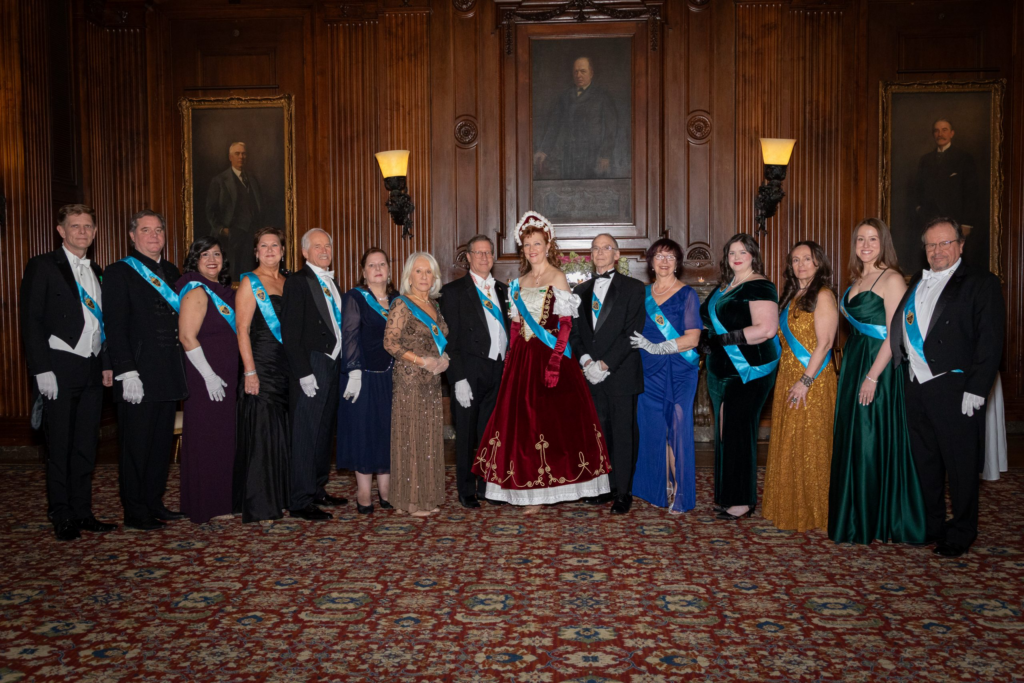
An enduring New York tradition enters its sixty third year with ceremony, cultural continuity, and a mission centered on education.
For generations, the opening of New York’s annual ball season has signaled more than the start of a social calendar. It has marked a reaffirmation of continuity, responsibility, and the city’s longstanding relationship with formal civic life. Among the evenings that define this moment, none carries a deeper sense of historical continuity than the Piarist Debutante Ball. On January 31, 2026, the sixty third presentation of this distinguished event returns, reaffirming its role as one of New York’s most carefully preserved and purpose driven formal gatherings.
The Piarist Debutante Ball has always stood apart by virtue of its steadiness. While fashions and trends shift across decades, the ball has remained grounded in ceremony, education, and philanthropy. Its identity has been shaped not by reinvention but by stewardship, a commitment to preserving an evening that reflects values passed carefully from one generation to the next. This sense of continuity has earned the event its reputation as the quiet cornerstone of New York’s winter social season.
The setting for the 2026 ball remains the stately University Club at One West 54th Street. For more than six decades, this address has provided the architectural and cultural framework for the Piarist Ball. The club’s interiors reflect restraint, proportion, and permanence, qualities that mirror the ethos of the evening itself. Within these rooms, ceremony unfolds without spectacle, allowing tradition to remain the central focus.
The sixty third presentation represents an achievement measured not in scale but in endurance. Each successive year has relied on careful organization, voluntary service, and shared purpose. The ball’s structure has been preserved with intention, ensuring that every element of the evening serves a defined role within a broader cultural and philanthropic framework.
Guests arrive promptly at six o’clock for a formal cocktail reception, where the tone of the evening is established with elegance and ease. Conversation fills the private rooms of the club as families, dignitaries, and longtime supporters reconnect. Live music by the Laura Angyal Jazz Quartet provides a refined musical backdrop, allowing the opening hour to unfold with warmth and composure. A premium open bar and thoughtfully prepared hors d’oeuvres complement the reception without excess, maintaining the balance that defines the event.
At seven o’clock, guests are invited into the Grand Ballroom for dinner. The transition signals the evening’s movement into its more formal ceremonial phase. A three course menu prepared by the University Club’s culinary team is served with complimentary wine and an open bar for seated guests. The pacing of the dinner reflects a respect for tradition, allowing anticipation to build naturally as the program approaches.
Following dinner, attention turns to the ceremonial heart of the evening. The Ball Program is conducted by Master of Ceremonies Dr. v. Stephen M. Vajtay, Jr., whose role ensures that the evening adheres faithfully to the traditions that have defined the Piarist Ball for generations. The program opens with a formal Hungarian presentation that introduces dignitaries and acknowledges the members of the organizing committees whose service sustains the event.
The presentation of the debutantes follows as the central ritual of the night. Each young woman is introduced individually, continuing a tradition that has long symbolized discipline, education, and responsibility. The formality of the presentation reflects the ball’s deeper purpose, emphasizing the values that the Piarist tradition seeks to instill and support.
With the opening waltz, the evening moves seamlessly from ceremony to celebration. From this moment forward, music and dance guide the program through its remaining hours. The Lester Lanin Society Orchestra, under the direction of Mr. Spencer Bruno, provides uninterrupted ballroom music that sustains the evening’s rhythm and elegance.
A distinguished cultural moment arrives at ten thirty with the presentation of the Grand Palotas Dance of the Hungarian Nobility. This traditional court dance serves as a formal expression of Hungarian heritage within the context of the ball. Presented in association with the Hungarian Scouts of New Brunswick, the Palotas underscores the evening’s commitment to cultural preservation and education.
The performance includes a featured solo by internationally recognized Hungarian folk dancer Daniel Horvath. His appearance highlights the living continuity of Hungarian dance traditions and reinforces the ball’s role as a bridge between cultural heritage and contemporary civic life.
Following the Palotas, the evening continues with a silent auction benefiting Piarist schools. This philanthropic component is woven naturally into the program, reflecting the ball’s foundational purpose. At midnight, the traditional Csárdás reintroduces energy to the ballroom, after which dancing resumes until one o’clock, allowing the night to conclude with composure and grace.
The international stature of the Piarist Debutante Ball is reflected in its Honorary Committee, which brings together leaders from public service, diplomacy, and society. Members include former New York Governor George Pataki, Hungarian Consul General István Pásztor, Hungarian Ambassador to the United States Szabolcs Takács, Archduke and Archduchess Dr. Géza and Elizabeth von Habsburg Lothringen, Baroness Margit Bakách Bessenyey, Countess Louise Benyovszky, Count Béla Haller de Hallerkő, Archduke Paul von Habsburg, Prince Dimitri Karageorgevich, Princess Esther Odescalchi, and philanthropist Sylvia Hemingway.
Among this distinguished group is Prince Mario Max Schaumburg Lippe, whose longstanding advocacy for education and culture aligns closely with the mission of the Piarist Ball. His involvement reflects the event’s continued appeal to individuals committed to preserving tradition while supporting meaningful philanthropic work.
Executive leadership for the sixty third ball is entrusted to President Dr. v. István Somkúti, with Co Chairs Dama v. Enikő Mara Somkúti von Felsőszálláspatak and Mrs. Rachel Tibold de Babócsa. Their stewardship is supported by an Executive Committee and Junior Committee whose intergenerational collaboration ensures continuity of leadership and purpose.
The reach of the Piarist Debutante Ball extends well beyond New York. Regional and international representatives from across the United States, Europe, and Hungary participate each year, reflecting a global network united by shared educational and cultural values.
At its foundation, the Piarist Debutante Ball exists to support the educational mission of the Order of the Pious Schools. Founded in 1622 by Saint Joseph of Calasanz, the Order has emphasized free education, academic rigor, and scientific inquiry for more than four centuries. Its schools in Hungary became centers of intellectual and cultural life, shaping generations of students.
Despite periods of hardship, including confiscation during the communist era, the Piarist Order preserved its academic standards and communal identity. Today, its schools continue to operate throughout Hungary and beyond, relying on sustained philanthropic support to maintain their mission and educational excellence.
The sixty third Piarist Debutante Ball represents a convergence of ceremony, leadership, and education. Its annual return reflects confidence in tradition and belief in the enduring value of formal philanthropy. As New York’s ball season opens once again, the Piarist Ball stands as a reminder that continuity, purpose, and collective responsibility remain central to the city’s cultural life.
Prince Mario Max Schaumburg Lippe, Piarist Debutante Ball, University Club New York, New York Ball Season, Hungarian Cultural Heritage, Sylvia Hemingway, George Pataki, István Pásztor, Szabolcs Takács, Order of the Pious Schools, Saint Joseph of Calasanz, Lester Lanin Society Orchestra, Laura Angyal Jazz Quartet, Daniel Horvath, Hungarian Palotas Dance, Debutante Tradition, New York Philanthropy, European Nobility, International Society, Education Philanthropy, Manhattan Social Events, Classical Ballroom Dance